


Living in Hawaii comes with unmatched beauty—sunny beaches, lush landscapes, and year-round tropical weather. But while the island lifestyle has many perks, Hawaii’s unique environment can be tough on your roof. Between salty ocean air, heavy rains, and intense sunlight, roofing problems appear more quickly than in many other places.
That’s why roof repair in Hawaii is such an important part of homeownership. The good news? With the right materials, maintenance, and preventive care, you can extend the life of your roof and avoid costly repairs. Below, we’ll walk through the most common roofing issues homeowners face in Hawaii—and how to prevent them.
1. Salt Air and Corrosion
The problem:
If you live near the coast (and in Hawaii, most of us do), salt air constantly eats away at metal roofing components. Over time, fasteners, flashing, and panels can rust and weaken, leading to leaks and repairs.
Prevention tips:
-
Use corrosion-resistant materials like stainless steel, aluminum, or galvanized fasteners.
-
Apply protective coatings to exposed metal.
-
Schedule annual roof inspections to catch rust early before you need major roof repair in Hawaii.
2. Algae, Moss, and Mold Growth
The problem:
Hawaii’s warm, humid climate creates the perfect breeding ground for algae, moss, and mold. These growths not only stain your roof but also trap moisture, which can shorten your roof’s lifespan.
Prevention tips:
-
Install algae-resistant shingles or consider metal roofing.
-
Trim back overhanging branches to improve airflow.
-
Clean your roof regularly and install zinc or copper strips to prevent growth.
3. UV and Heat Damage
The problem:
Hawaii’s sunshine is great for the beach, but not always for your roof. Constant UV exposure can cause shingles to curl, crack, or lose their protective coating.
Prevention tips:
-
Choose UV-reflective roofing materials like cool roofs, tile, or metal.
-
Apply reflective coatings to prolong roof life.
-
Schedule roof inspections every few years to check for early signs of sun damage and avoid unexpected roof repair in Hawaii.
4. Heavy Rain and Leaks
The problem:
Tropical downpours can overwhelm gutters and drainage systems, causing water to seep under shingles or into flashing. Even small leaks can quickly lead to wood rot or mold inside your home.
Prevention tips:
-
Keep gutters and downspouts clear of leaves and debris.
-
Inspect flashing around chimneys, skylights, and vents.
-
Repair small leaks right away—delaying only increases the need for bigger roof repairs in Hawaii.
5. High Winds and Storm Damage
The problem:
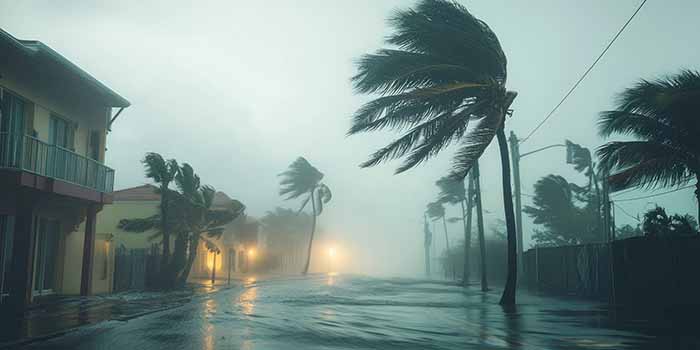
Hawaii’s hurricane season brings high winds that can rip off shingles or damage entire roof sections if not properly secured.
Prevention tips:
-
Use hurricane-rated roofing materials and fasteners.
-
Reinforce roof trusses and decking before storm season.
-
Schedule a professional roof inspection after major storms to catch issues before they turn into costly roof repair in Hawaii.
6. Termite and Pest Issues
The problem:
Wood shake roofs and wood-framed structures are vulnerable to termites and pests. Left untreated, this can cause severe structural damage.
Prevention tips:
-
Avoid untreated wood roofing.
-
Schedule annual termite inspections and treatments if needed.
-
Seal cracks and gaps where pests can enter.
Conclusion
Hawaii’s climate is beautiful but demanding—especially on your roof. Salt air, sun, humidity, and storms all create unique challenges that require proactive care.
The key takeaway? Regular maintenance helps you avoid expensive roof repair in Hawaii. Schedule inspections at least twice a year—ideally before and after hurricane season—to keep your roof in top shape.
When you protect your roof, it will protect your home. And if you ever need professional help, don’t wait—taking care of small problems quickly is the best way to extend the life of your roof in Hawaii.